Over the years I have been dabbling with fermenting, preserving and pickling foods. I tried sourdough bread, kombucha and even made my own Kimchi. Hmm I should try making Kimchi again. I am on a new fermentation journey. This time it is with lacto-fermented vegetables more specifically with sichuan lacto-fermented vegetables. The reason behind this is because I have been looking for ways to preserve my garden harvest and have vegetables all year round.
I started this process February 16, 2026. I first needed to create my “mother” brine. I am adapting my recipe from here https://www.daywithmei.com/sichuan-paocai-infinite-pickle-jar/
I started my brine in a large pickle jar. I use long green beans because they looked so cool in the jars. But after trying them, they were not my favorite.
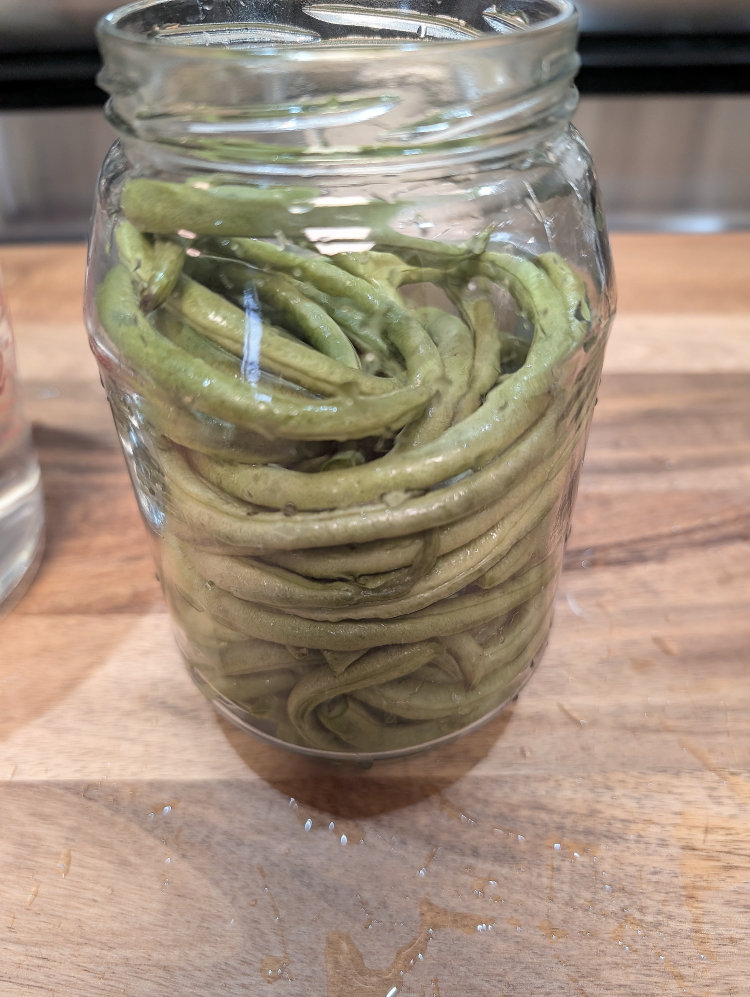
To start this brine, first wash your vegetables. You can leave them whole but I found cutting them up in smaller pieces was my favorite method. It was just easier to remove from the jar and we could eat them right away. After washing, place the vegetables in the jar and pour in your brine. Place your jar in a cool dark place and let it ferment. Check your vegetables every couple of days. I did a small taste test to see how the vegetables tasted after a while.
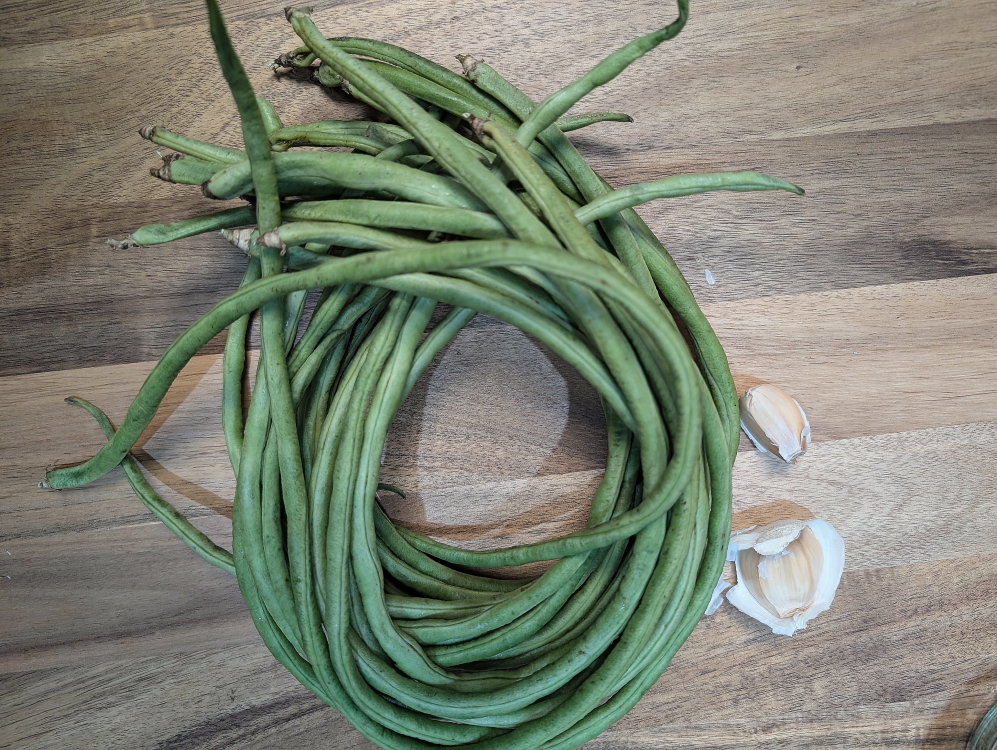
Since this was my first batch, I knew it would take longer for the lacto bacteria to form and make the beans sour. At first it was just a little salty and bitter from the vodka. Then after a while the beans were a little more pickled, but I waited to have that really sour taste.
It was about two weeks later that I invested in a pickle jar. I have always wanted one but I was never sure if I would really use it. The liquid in my jar is reddish since I pickled beets that were in my garden.
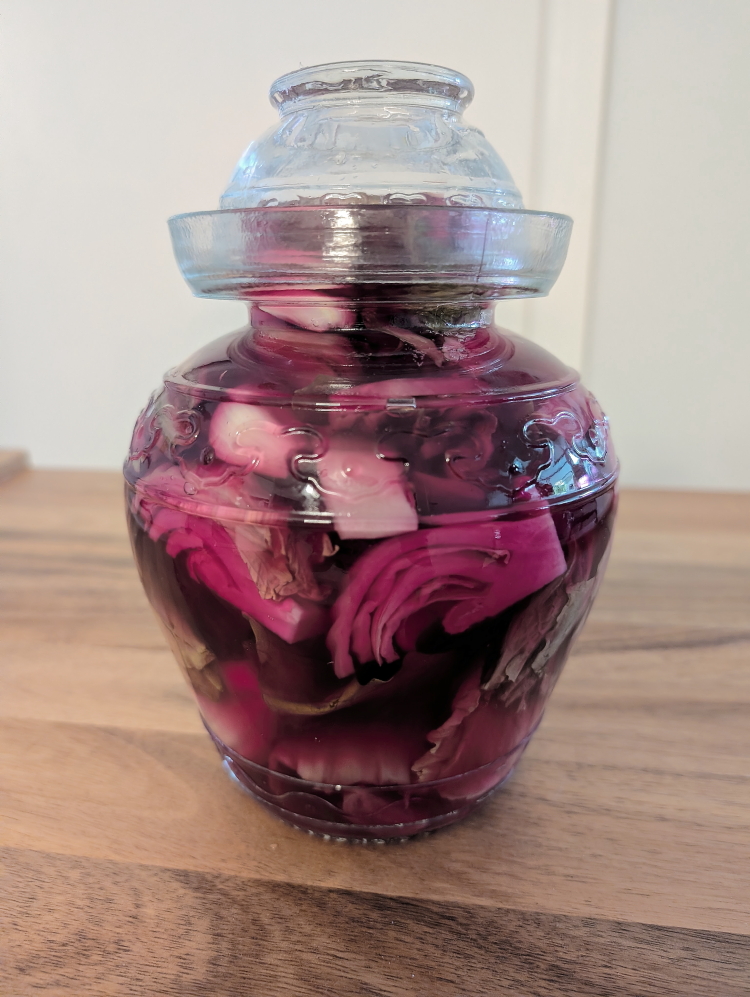
Over the next couple of weeks I would remove some vegetables, add new ones, add more salt or sugar if I thought it needed it and a little vodka (don’t add too much since it makes it taste bitter). The vodka is supposed to help prevent the kahm yeast that forms. Kahm yeast is this white layer of yeast that grows on fermented foods. It isn’t harmful but can make your fermented foods taste weird. I haven’t had any kahm yeast grow in my pickle jar yet. The pickle jar also has a water well that you fill to let air out but not in. This helps the lacto bacteria thrive in a sealed environment.
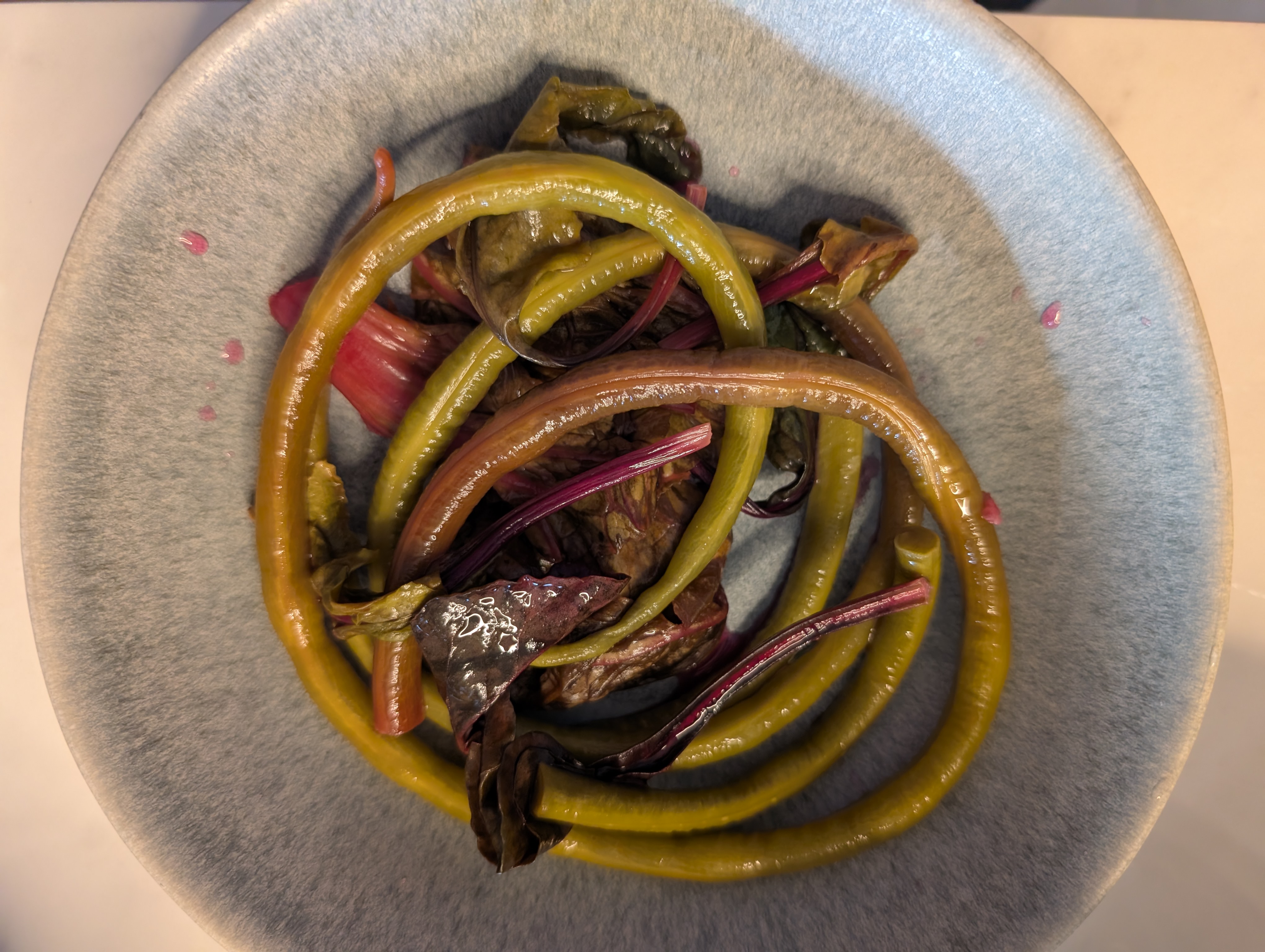
This is beans and beet greens that are ready to eat. The vegetables wont look as vibrant and will dull in color. The beet greens worked and was an easy way to use them up. The beets also were pretty good. I chopped them up in smaller pieces and tossed them in. They were crunchy and sour.
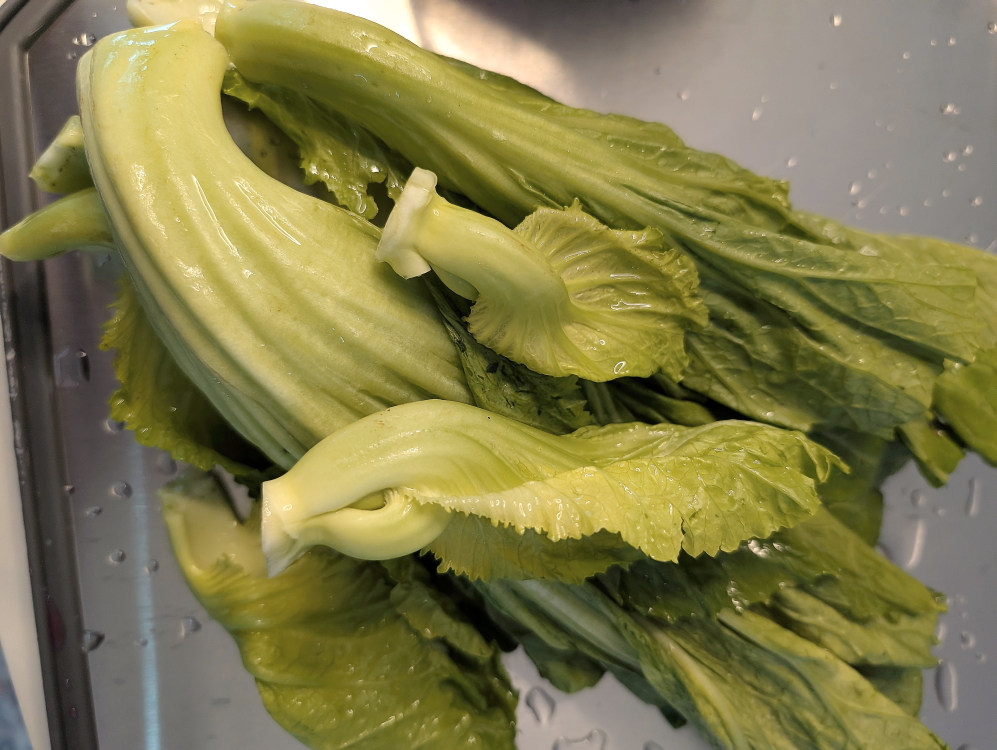
My next experiment was with mustard greens. These are my favorite so far. They are crunchy and a little spicy but really good pickled. You will need to wash them really well since they are quite dirty.
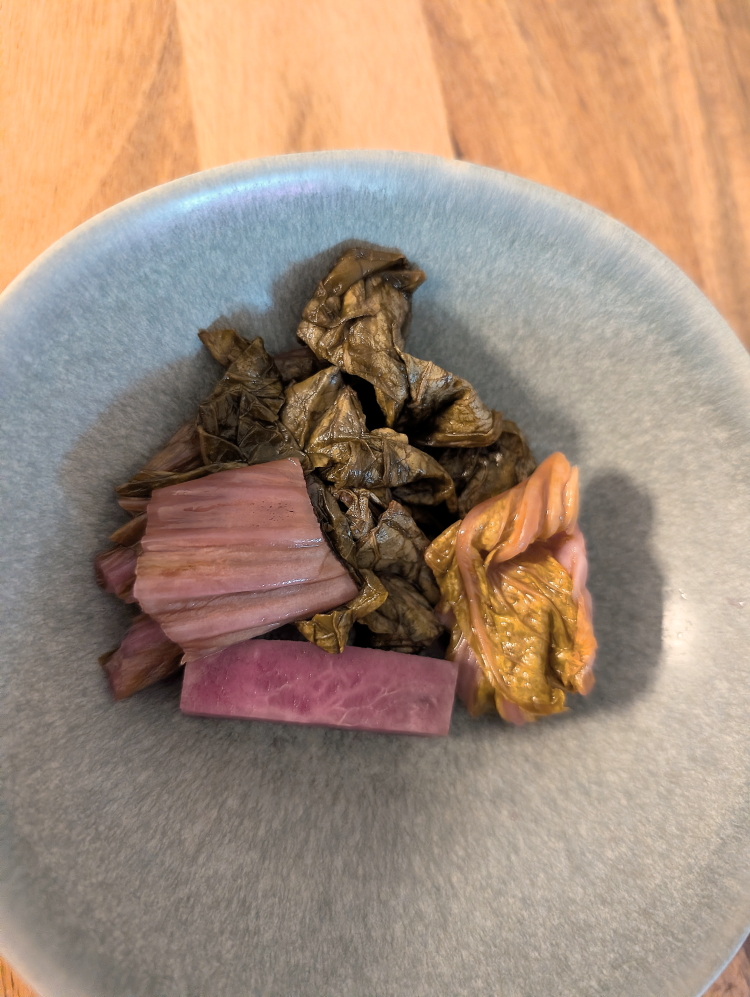
This is what they look like after about 2 weeks. You can see there is also a beet in this bowl.
I have really enjoyed experimenting with my pickle jar. My brine is really developing nicely and it only takes about 2 weeks for the pickles to be ready to eat. I have only added a little salt and sugar and vodka once. Now it is about 3 months old. I am hoping to give you an update after a couple more months. I have seen other people that have had their pickle jars for over 20 years!
Lacto-Fermented Pickled Vegetables
Mother Brine
- vegetables of your choice
- 3.5 cups boiled water cooled
- 1 tsp rock sugar or granulated sugar
- 3 tsp salt
- 1/8 cup vodka or chinese baijiu
Clean a large jar with hot soapy water. Rinse well. Wash your vegetable and cut up into small pieces or leave whole. Use clean hands or clean chopsticks to place the vegetables in the jar.
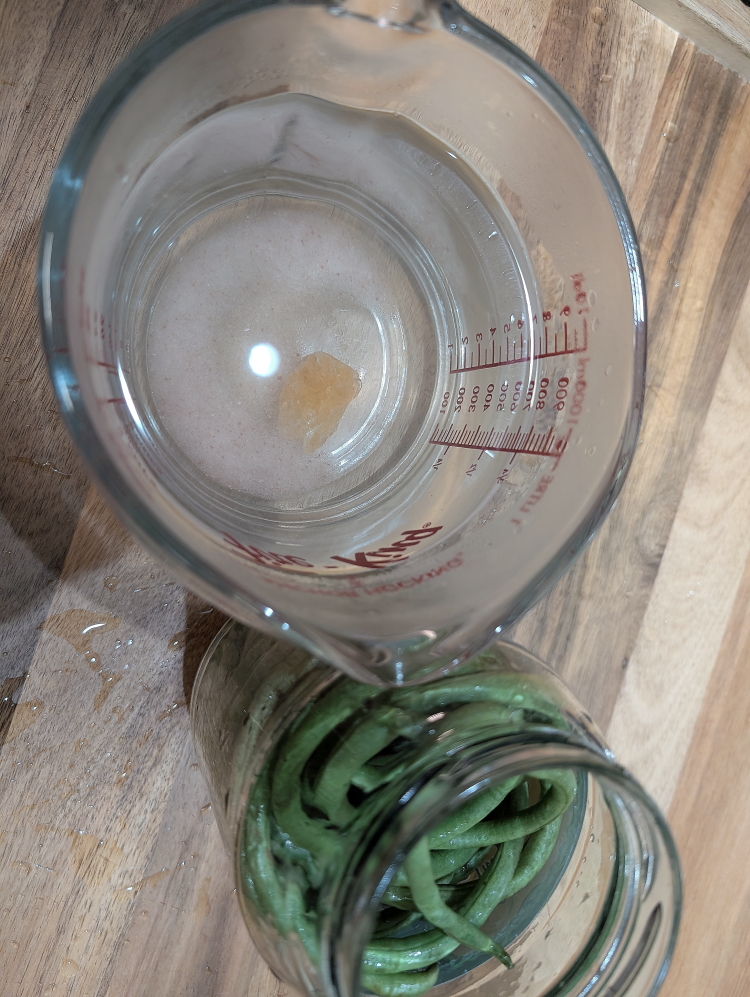
Mix the brine ingredients in a measuring up and pour enough liquid to cover the vegetables. Some people pour a little vodka on top to prevent kahm yeast from forming.
Close the lid of the jar and place in a dark cool place for about a month. During this time check for any mold/yeast growth. You can give the vegetable a taste to see if it is ready but remember to use clean chopsticks to remove them. You do not want to add any contaminants to the brine. My brine took about 2 months to really develop. I think it will depend on how warm you place is and what time of year you are in.
Once the pickles are to your liking, remove with clean chopsticks. You can eat these pickles on their own or store in the refrigerator. Add to stirfrys or cooked dishes. Add new vegetables to your brine. At this time you can adjust the flavors, add spices if you want or more salt, and sugar. Add a splash of vodka. Over time the brine will develop a different flavor depending on what you add.
I hope you enjoy. Watch out for more updates on this journey.
For more recipes: Recipe List


